Your brand personality can guide responses to online insults
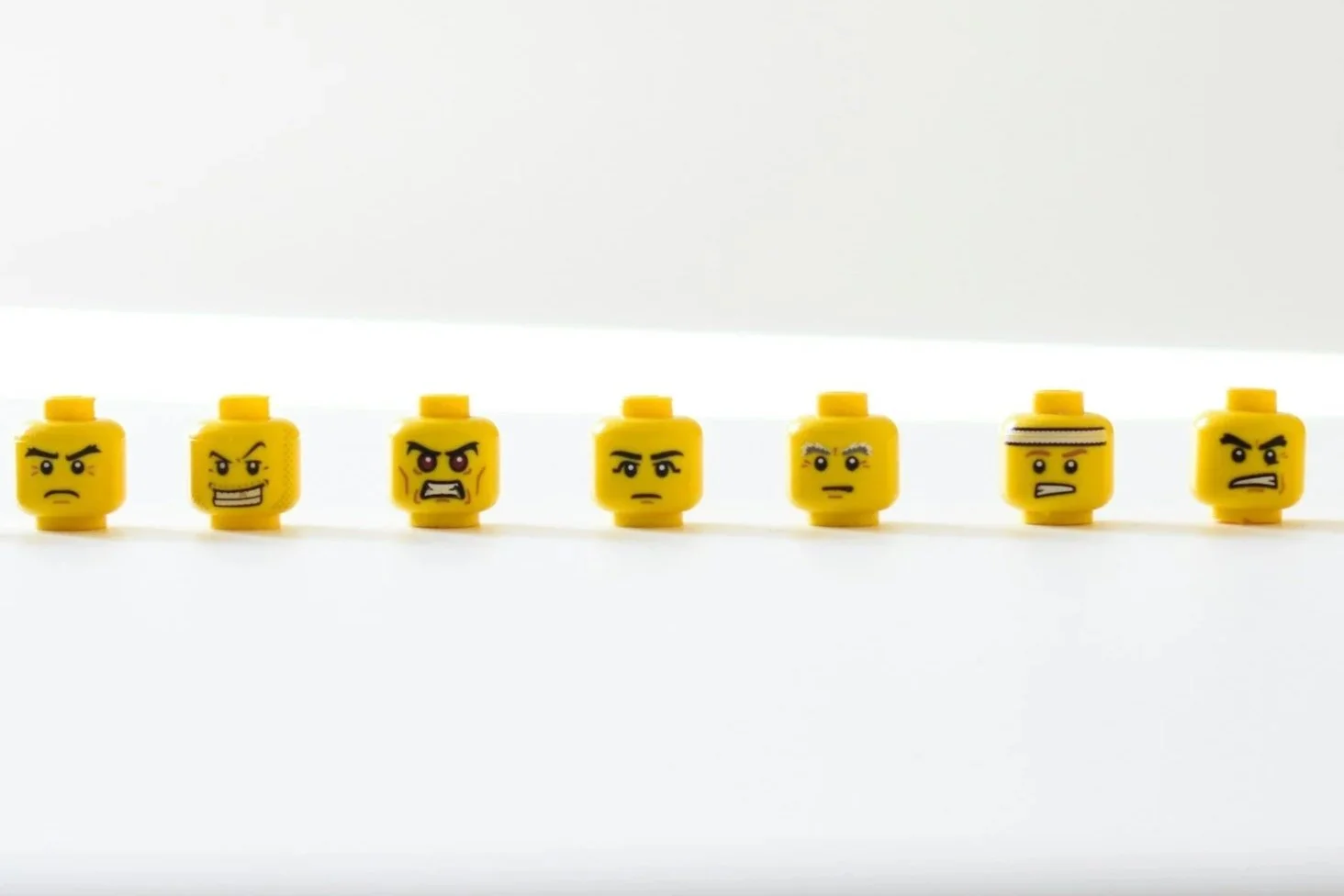
I’ve served a lot of roles over 30+ years as a communicator — reporter, editor, managing editor, director — but one of the most challenging and rewarding is “troll fighter.”
As political rhetoric grew more negative and divisive in early 2025, Write Design Group was looking for a way to unite people by celebrating traditional American values of democracy and human rights. We created Sub Shop Press, an online store selling T-shirts and other items with positive messages such as “I love checks and balances” and “Free Speech, Free People.”
Our first Facebook ads prompted a few likes and a lot of insults and derogatory emojis. My first inclination was to ignore the negativity, which seems to be the prevailing wisdom, but I believe our ideals are worth defending. The trick would be to stay positive and true to our brand.
Know your brand personality
A brand voice guides how you communicate. The Sub Shop Press brand is:
Authentic (we believe what we say)
Optimistic (attitude)
Progressive (and punchy)
Sharp and subversive
Welcoming (people of different beliefs and political leanings)
The brand is not:
Disingenuous
Exclusive
Mean
Sophisticated
Subtle
Avoid snark, unless that’s your brand
One commenter called us “communists,” and I replied, “We celebrate your first amendment right to call people you don’t know ‘communists.’” He replied, “I DON’T NEED YOU TO CELEBRATE MY CONSTITUTIONAL RIGHTS!” I thought it was clever, but it was also snarky and provoked anger instead of civility. I failed to follow our brand, and I knew I should do better.
Another person accused us of being “communists trying to profit.” I replied, “We’re more small business than communist, and we hope to eventually make a profit.” We continued a civil exchange, in which the commenter claimed our logo contained “communist imagery,” and I disagreed and explained what our logo means to us. I didn’t change his mind, but I remained progressive and respectful.
In response to our pro-democracy shirt, another person commented: “It’s not a democracy. It’s a constitutional republic, you idiots.”
I responded: “While the U.S. government can be considered a constitutional republic, it is usually characterized as a representative democracy or a democratic republic.” I included a link to my source: a website study guide for the U.S. citizenship test. My responsewelcomed the commenter’s label for the U.S. government without being subtle about our perspective.
When we advertised long-sleeve shirts, one person commented: “Is this the new fall fashion for losers?”
I responded: “Our shirts look great on Republicans, Democrats, veterans, working people … anyone who is losing constitutional freedoms and health care. They don’t look good on billionaires.” My response was sharp and optimistic without being exclusive or disrespectful.
Someone commented to our response: “No one losing freedoms so guess you won’t sell any except to delusional brainwashed.”
I responded: “Many people disagree” and linked to a New York Times article titled “Are We Losing Democracy?” I stayed authentic to our beliefs and avoided echoing the commenter’s dismissive tone.
When not to respond
I chose not to respond to many more comments than I did. If I didn’t believe I could engage the commenter while staying true to our brand, I did not reply.
It’s usually best to avoid responding to:
Verbal abuse
Aggression
Personal attacks
Derogatory emojis (unless poop is part of your business)
Tips for troll fighting
Beyond staying on brand, here are more recommendations.
Don’t reply right away. Think about your response, and consider running it by a colleague.
Respond to the comment, not the commenter. I never tag an individual in a post.
Stay professional.
If you can’t reply on brand, just don’t respond.
Many trolls seek attention and want to provoke an emotional response. Some feel powerless in the real world and seek power online, and some try to bully people with different ideologies into silence. It feels great when you can lower the temperature of the discourse and use your brand to bring people together.