What we’re thinking
Thoughtful writing about clarity, communication, and momentum
Our essays explore the real communication challenges organizations face — from internal confusion and shifting priorities to sponsorship strategy, accessibility, and trust. These ideas reflect how we work with clients every day.
If communications feel harder than they should, start here.
Some pieces are practical frameworks. Others are reflections drawn from client work. Start with what matches the challenge you’re facing now.
Getting clear on priorities
Building systems that last
Preparing for growth, funding, or change
Filter by category
Or browse by topic: All / Accessibility / Branding / Communication / Design / Government / Nonprofits / OPTIC² / Planning / Strategy

Your Organization Already Has a Personality
Brand Personality is the character people experience, not the one you pick. Learn how to recognize, define, and document yours before asking others to express it.

What Are You Actually Building On?
Brand Values guide decisions long before a logo exists. Learn how to discover, define, and document the principles that shape your organization.
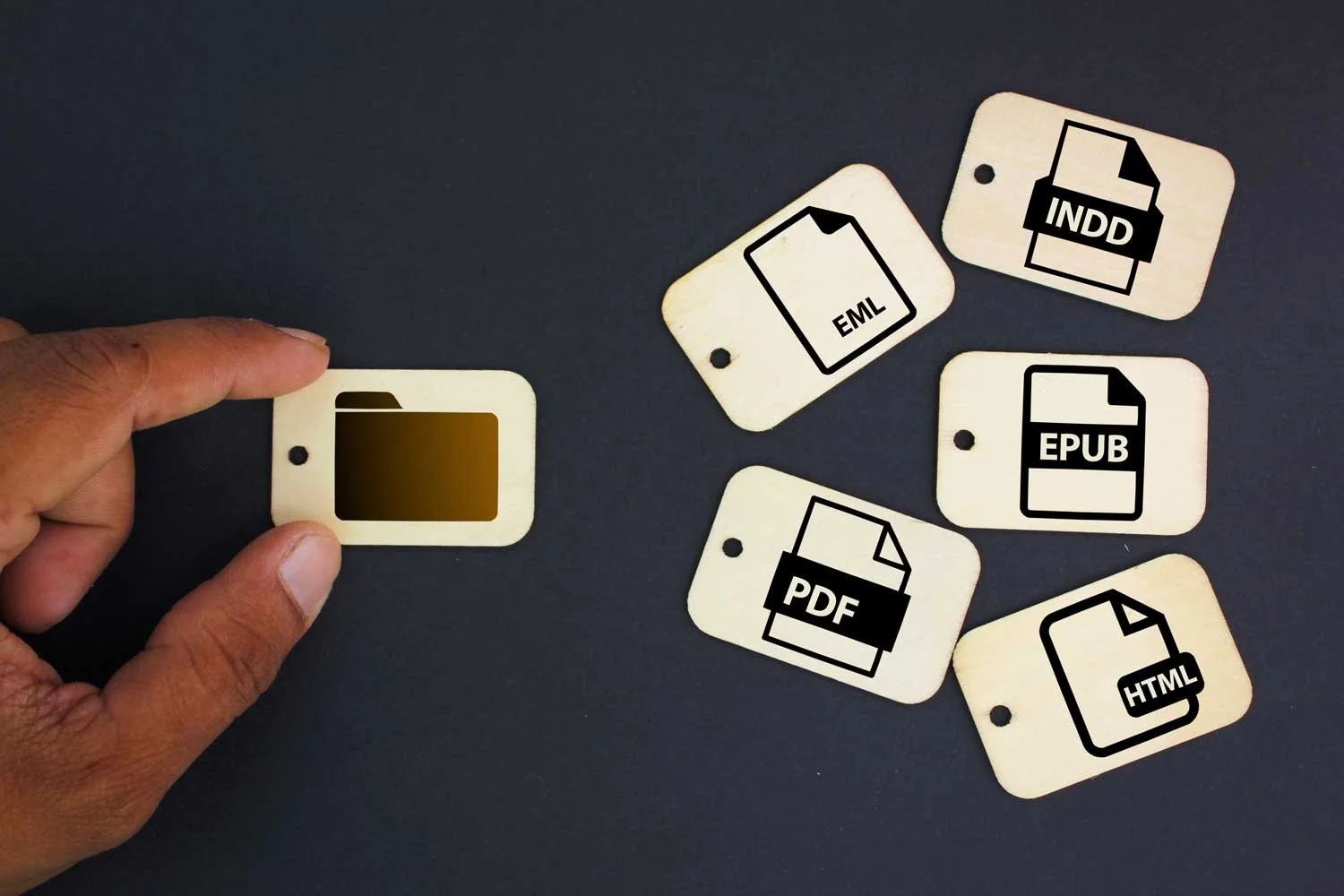
One File, Many Formats
InDesign's Export Tagging panel has two fields: Tag and Class. Most designers know about the first one. The second is where single-source publishing lives — and it's almost always left blank. Here's what it does and when it's worth using.

What Your InDesign Paragraph Styles Are Actually Doing
Learn how InDesign paragraph styles affect PDF tags, reading order and screen reader accessibility, and how to set them up correctly from the start.

Accessibility Is a Design Skill, Not a Specialty
The compliance landscape around accessible documents is shifting fast. AI remediation is coming, but it won't save a poorly built file. And if you're already using paragraph styles correctly, you're most of the way there. Here's what designers and the people who hire them need to understand right now.

Funders Who Feel Connected Give More
Research shows connection and attachment are powerful drivers of loyalty. Learn what this means for funder relationships and long-term support.

The Better You Look, the Less They Think You Need
Research shows capable nonprofits may receive less support when funders perceive them as less needy. Learn how to communicate capacity, need and impact together.

Trusted Is Not the Same as Credible
Trust matters, but funders also look for credibility. Learn why mission-driven organizations need to communicate warmth and competence together.

What Actually Builds Trust with Funders
Research shows trust is built through reputation, integrity and attachment, not competence alone. Learn what this means for funder-ready communications.
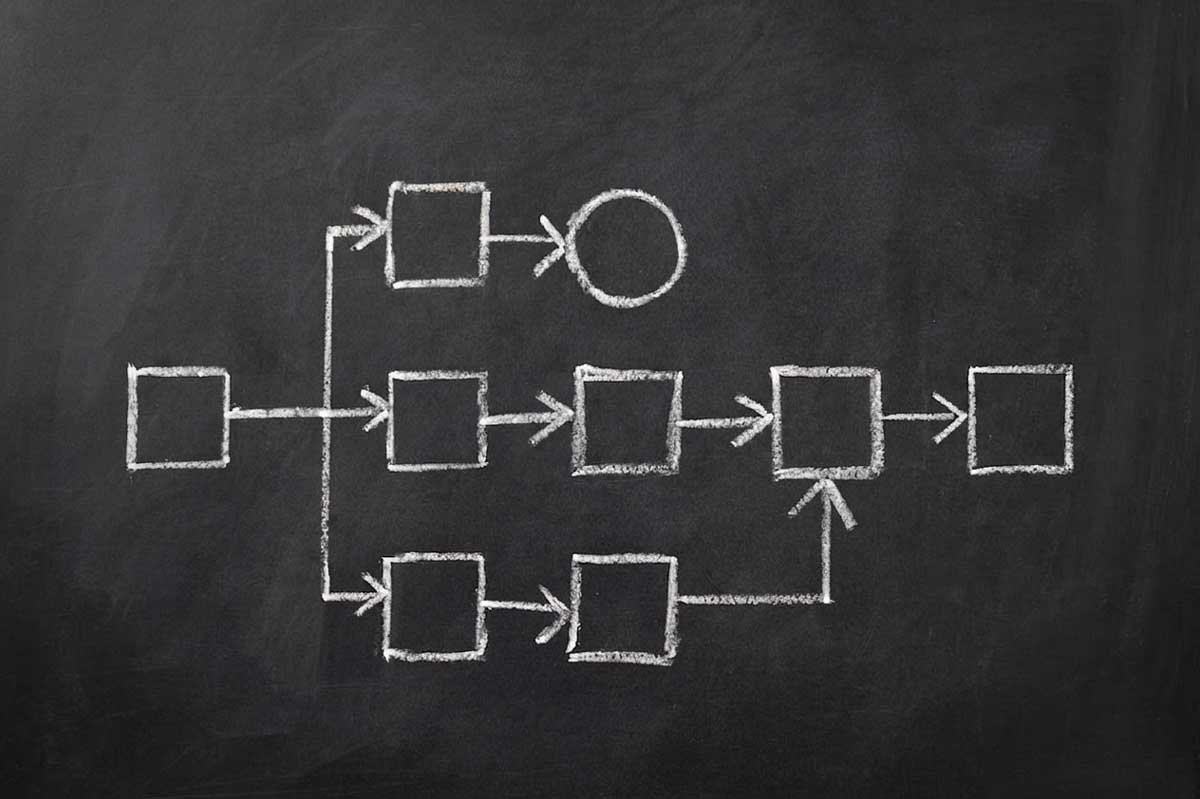
What an SOP Is Actually For
A good SOP is not red tape. It is a practical tool for continuity, consistency, and risk reduction when recurring work cannot live only in someone’s head.

How to Organize SOPs So People Will Use Them
Organize SOPs in a way that makes them findable, usable, and maintainable, without building a bloated operations manual no one reads.

The Oral Tradition Is Not a System
When organizational knowledge lives in people instead of systems, risk stays hidden until someone leaves. Here’s why SOPs matter more than most organizations think.
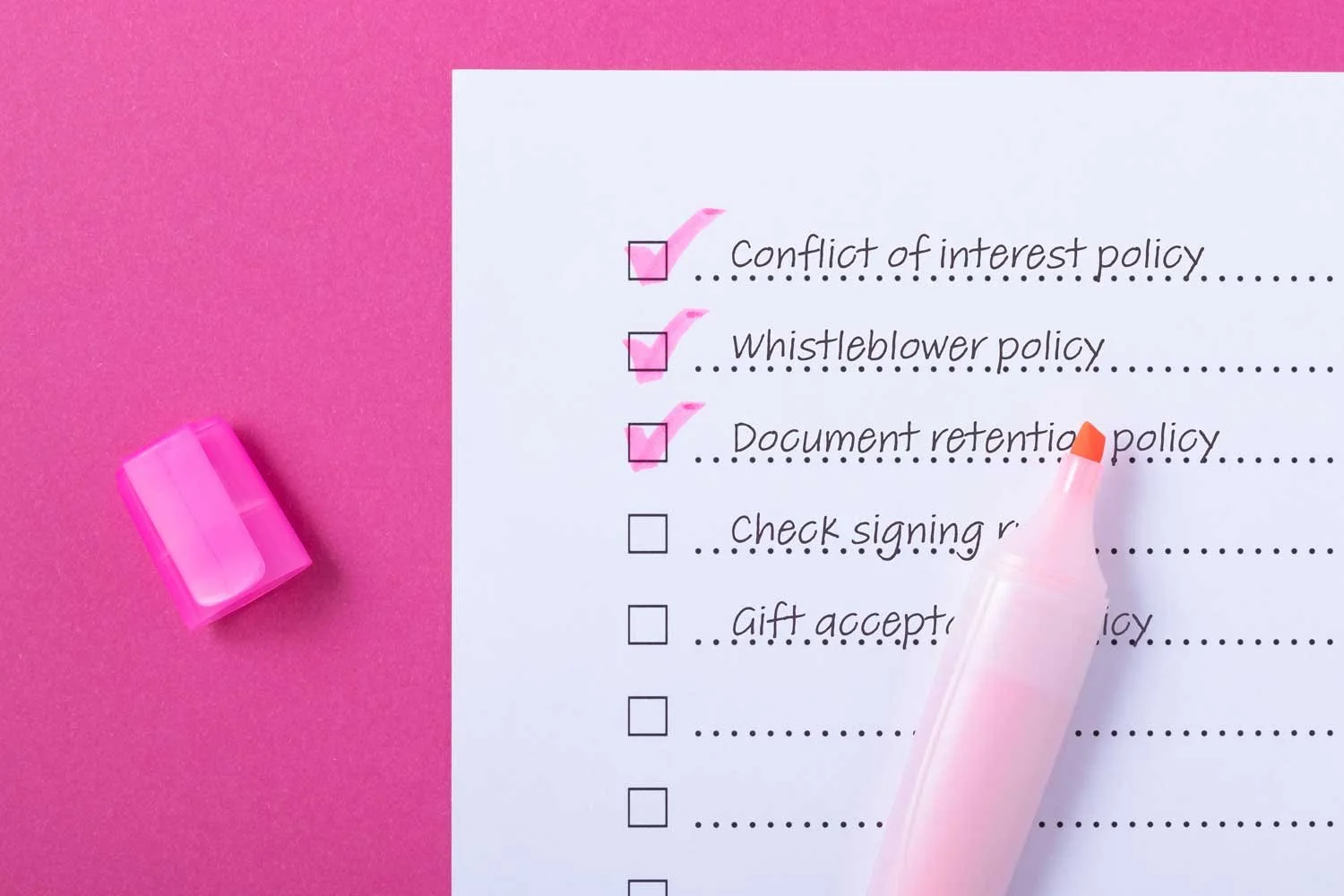
Checklist: Policies small nonprofits need
A practical checklist of the minimum viable policy set for small nonprofits, including governance, financial controls, privacy, and website policies.

The basic nonprofit policies every small organization should have
The basic nonprofit policies every small organization should have
Every Grant Shouldn’t Start From Scratch
Most proposal writing starts from the last proposal because there is nothing better to start from. The Communications layer in OPTIC² is the fix — not better writers, but better ingredients for writers to work from.
“We served 400 people last year.” Okay, but how?
When an organization’s Credibility layer is weak, the writer is left trying to sound convincing when what they really need is something solid to point to. This post looks at what Credibility actually means in the OPTIC² model — and why having numbers is not the same thing as having evidence.

Will the Real Mission Statement Please Step Forward
When an organization’s core identity is not documented, people make the best decisions they can with what they can find. The result is drift: mismatched mission statements, inconsistent language, wrong files, and a brand that does’t quite hold together.

The Proposal Was Strong. The 990 Was Two Years Old.
A strong proposal can still be disqualified by a compliance gap the writer never knew existed. The Trust layer in OPTIC² is the governance, compliance, and financial documentation that gives inspires confidence — and the system that keeps it current before a deadline makes it a crisis.

Your organization is already being read
Funders, partners, and customers in a community are building a picture of your organization long before your proposal arrives. The Public Presence layer in OPTIC² determines whether that picture matches the one you want them to see — or quietly contradicts it.

When the System is Susan
When readiness depends on one person’s memory and willingness to hold the system together, it is not a system — it is a person. The Operations layer in OPTIC² is the infrastructure that makes funder-readiness sustainable, not just survivable.
If this thinking resonates
Many of our clients start by reading one or two essays and recognizing a challenge they’ve been circling for a while. If you’d like help applying this thinking to your organization, we’d be glad to talk.