What we’re thinking
Thoughtful writing about clarity, communication, and momentum
Our essays explore the real communication challenges organizations face — from internal confusion and shifting priorities to sponsorship strategy, accessibility, and trust. These ideas reflect how we work with clients every day.
If communications feel harder than they should, start here.
Some pieces are practical frameworks. Others are reflections drawn from client work. Start with what matches the challenge you’re facing now.
Getting clear on priorities
Building systems that last
Preparing for growth, funding, or change
Filter by category
Or browse by topic: All / Accessibility / Branding / Communication / Design / Government / Nonprofits / OPTIC² / Planning / Strategy

The Writer Isn’t the Problem
In many mission-driven organizations, the person doing the proposals thinks they are the problem. They are carrying an organizational infrastructure problem as a personal one. This post introduces the OPTIC² model—six interdependent layers of organizational clarity that make that problem visible and give the organization a way to own it.

The Myth of the “Together” Organization
If you work in or alongside a nonprofit, you may recognize the quiet apology about the state of the website, system, or materials. This piece reflects on where that impulse comes from—and why being unfinished is often a natural result of mission-first work, not a lack of professionalism.

Why your capability statement shouldn’t be written by AI alone
AI can generate words, but capability statements require judgment, credibility, and alignment across the systems government buyers actually evaluate. Here’s why relying on AI alone can quietly undermine trust and what procurement reviewers are looking for instead.

Beautiful brand books vs. usable brand systems
Organizations think they have to choose between a beautiful brand book and a practical documentation system. They don’t. The best brand foundations combine both: polish for public-facing moments and living, editable systems for daily use.
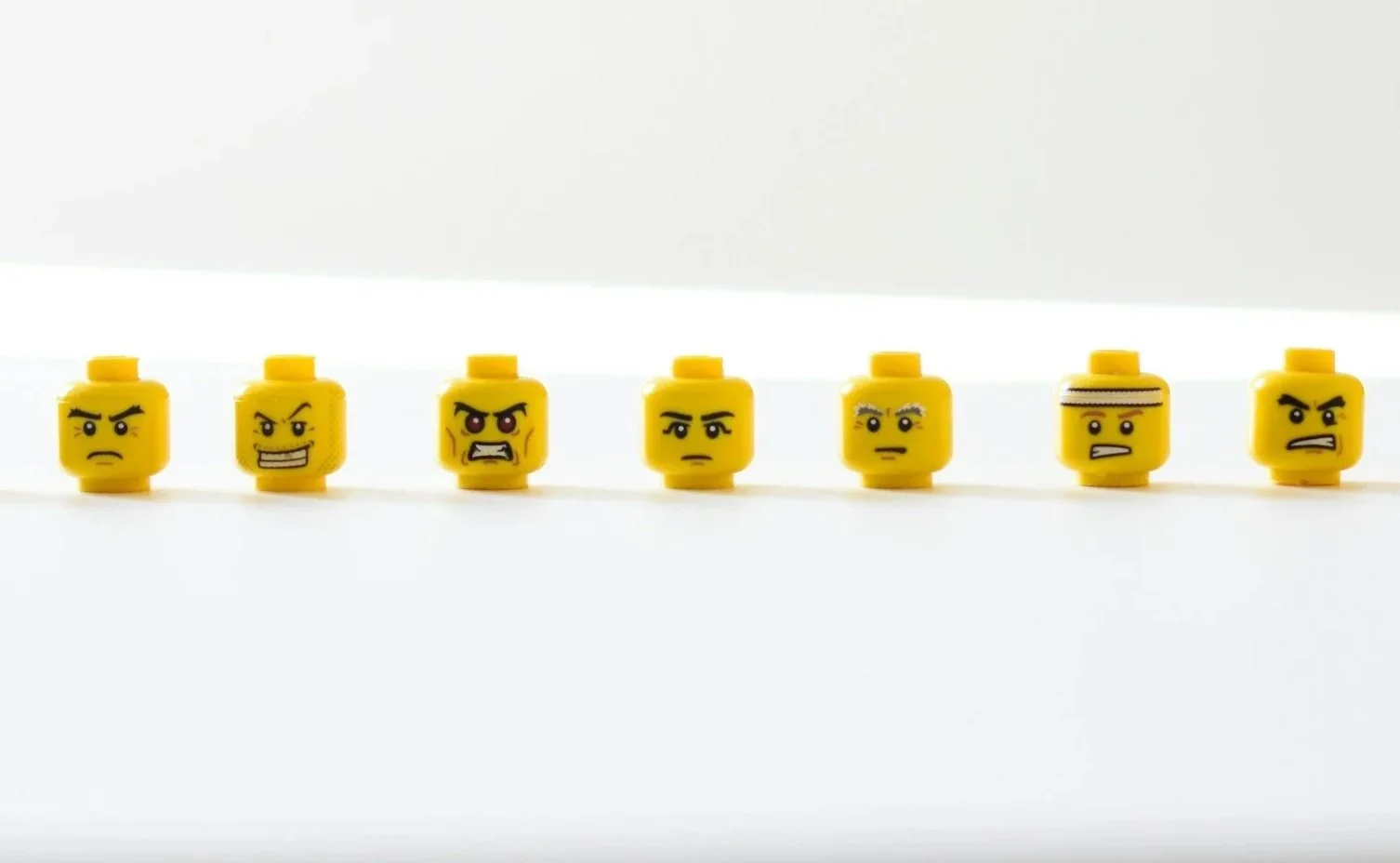
Your brand personality can guide responses to online insults
When criticism shows up online, your brand voice matters more than ever. A clear personality helps you respond with confidence, civility, and consistency — even when the comments aren’t kind.

A Simple Marketing Plan for Nonprofits and Small Businesses
A simple, realistic marketing plan helps nonprofits and small businesses stay aligned, focused, and strategic — without chasing every shiny idea or wasting limited resources.

What Nonprofit Brands Need
For-profits trade in confidence; nonprofits trade in trust. Understanding that difference changes how brands should communicate, measure success, and show credibility.

What we mean by “Brand & Communication Foundations”
Logos, colors, and fonts are a start, but real alignment comes from shared foundations. Here’s how brand and communication foundations help teams make consistent decisions, reduce friction, and keep communications aligned as organizations grow.

Brand & Communication Foundations checklist
A practical checklist of what a complete brand book should include—covering both visual and verbal foundations—plus why each piece matters for alignment, clarity, and long-term momentum.

The communication assets you actually needs to be “Government Ready”
Government buyers don’t evaluate you on one document—they triangulate. This post explains the communication asset system that actually signals trust and readiness.

Accessibility is a strategic asset
Accessible communication builds trust, reduces friction, and helps your message reach more people. When accessibility is built into design from the start, it strengthens clarity, credibility, and long-term impact for nonprofits and public-facing organizations especially.

If everyone’s a marketer, what’s the role of marketing?
When “everyone’s a marketer,” marketing doesn’t disappear. Rather, it becomes the work of creating clarity, alignment, and strategy so everyone can tell the same story with confidence.

When the brand bomb drops
A “brand bomb” goes off when something looks fine but doesn’t feel right. Defining brand personality changes everything from design decisions to how an organization shows up in the world.

When everything matches but nothing connects
If everything matches but nothing connects, you’re not looking at strategy — you’re looking at coordination. This piece explores why “looking strategic” isn’t the same as having a strategy and how clarity gives tactics real meaning.

Does your brand disappear for 8% of your audience?
If 8% of your audience can’t see what makes your brand distinct, you have a strategy problem. This article explores how color blindness affects brand perception and why accessibility is a marker of clarity and competence.

Before you ask for sponsorship, build a strategy
Chasing sponsors without a strategy leads to mismatched partnerships and short-term wins. This article explains why a clear sponsorship strategy creates alignment, credibility, and momentum before you ever ask for a logo or a check.

Before you plan, get clear on strategy
Planning feels productive, but without strategy it often leads to busy work. This article explains the difference between marketing strategy and marketing plans and why clarity must come first.

Should my logo be accessible?
Your logo is often the first thing people encounter, but not everyone experiences it the same way. This article explains what logo accessibility really means, why it matters, and how inclusive design strengthens brand clarity everywhere.

The strategy of simple
In branding, adding more often creates clutter, not distinction. This article explores why simplicity is a strategic choice and how clarity, focus, and restraint help brands grow stronger over time.
Designing print materials everyone can read
Accessible print design isn’t just about compliance, it’s about clarity. This practical guide explains how thoughtful typography, contrast, and layout choices make print materials easier to read and more effective for everyone.
If this thinking resonates
Many of our clients start by reading one or two essays and recognizing a challenge they’ve been circling for a while. If you’d like help applying this thinking to your organization, we’d be glad to talk.